
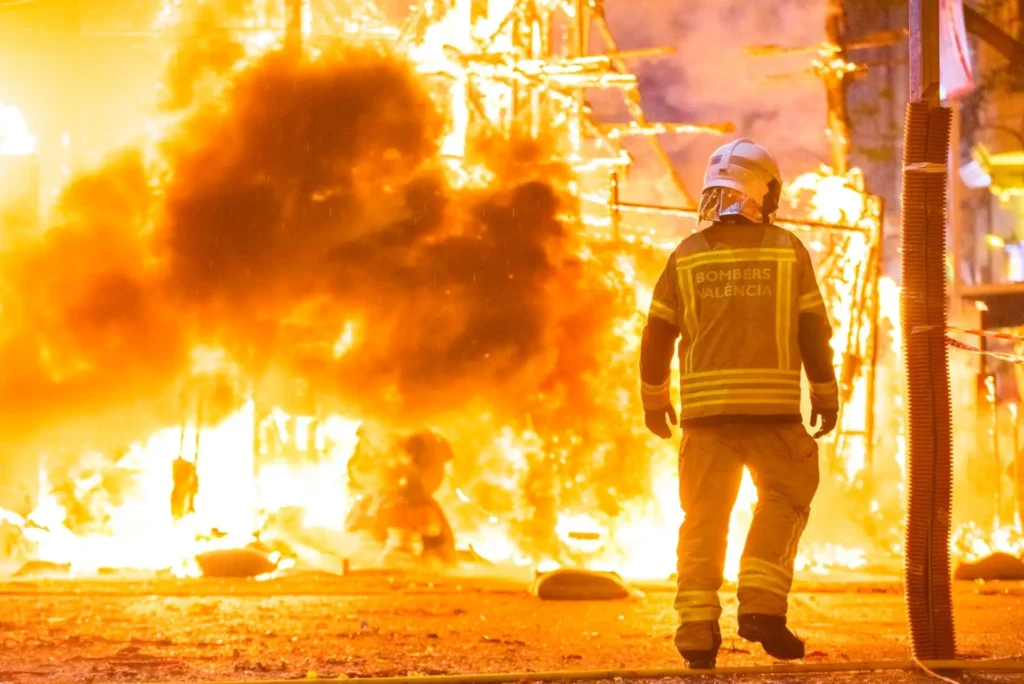
Los Angeles is facing a monumental challenge as it begins the long and arduous process of recovering from a series of devastating wildfires that ripped through the region in January 2025. Fueled by a prolonged period of drought, unusually high winds, and dry vegetation, the fires spread rapidly, leaving a destructive path across several communities. The impact is widespread, affecting homes, businesses, critical infrastructure, and the emotional well-being of countless residents.
Immediate Response: A Race Against Time:
In the immediate aftermath of the blazes, firefighters and emergency responders faced a race against time. The relentless flames tested their resources and expertise as they battled to contain the fires and evacuate residents from harm’s way. Evacuation centers quickly filled to capacity, providing temporary shelter and essential supplies to those displaced. Hospitals and medical facilities braced for an influx of patients suffering from burns, smoke inhalation, and other fire-related injuries. The Disaster Resource Centers became vital hubs, offering a range of services to residents grappling with the loss of their homes and belongings. Volunteers poured in from across the region, offering support and assistance to those in need. The sense of community and solidarity was palpable, a beacon of hope amidst the devastation.
The Scope of the Damage: A Stark Reality:
As the fires subsided and the smoke cleared, the true extent of the damage became tragically clear. Entire neighborhoods were reduced to ashes, leaving behind only the charred remains of homes and businesses. Infrastructure, including power lines, water mains, and roads, was severely damaged, further complicating the recovery efforts. The economic impact of the fires is significant, with businesses forced to close and jobs lost. Beyond the physical damage, the fires have left deep emotional scars on residents, many of whom have lost everything they own. The trauma of the experience will likely linger for years to come.
Long-Term Recovery: A Collaborative Effort:
The recovery process is a complex and multifaceted undertaking that will require a sustained effort from government agencies, community organizations, and residents. Federal disaster assistance has been secured, providing crucial funding for rebuilding homes, businesses, and infrastructure. The Small Business Administration (SBA) is offering low-interest disaster loans to homeowners, renters, and businesses to help them rebuild and recover. Non-profit organizations, such as the Red Cross and local community groups, are providing essential services, including food, shelter, clothing, and mental health counseling. The long-term rebuilding process will involve careful planning and coordination to ensure that communities are not only rebuilt but also made more resilient to future fires.
Focus on Resilience: Learning from the Tragedy:
The January 2025 fires have underscored the urgent need to address the growing threat of wildfires in California. As part of the recovery effort, there will be a renewed focus on fire prevention and mitigation strategies. This includes:
- Wildfire Risk Assessment: Comprehensive assessments of wildfire risk will be conducted to identify vulnerable areas and prioritize mitigation efforts.
- Vegetation Management: Efforts to clear brush and other flammable vegetation will be expanded and intensified to create defensible space around communities.
- Building Codes and Construction: Building codes will be reviewed and updated to incorporate fire-resistant materials and design features.
- Community Preparedness: Public education campaigns will be launched to educate residents about fire safety and preparedness, including creating defensible space around their homes and developing evacuation plans.
A Long Road Ahead:
The recovery from the January 2025 fires will be a long and arduous journey. The challenges are significant, but the spirit of resilience and community is strong. With the combined efforts of government agencies, community organizations, and residents, Los Angeles will rebuild and recover. The lessons learned from this tragedy will be invaluable in preparing for future fire seasons and building a more resilient and fire-safe community. The road ahead is challenging, but the determination to rebuild and recover is unwavering.