
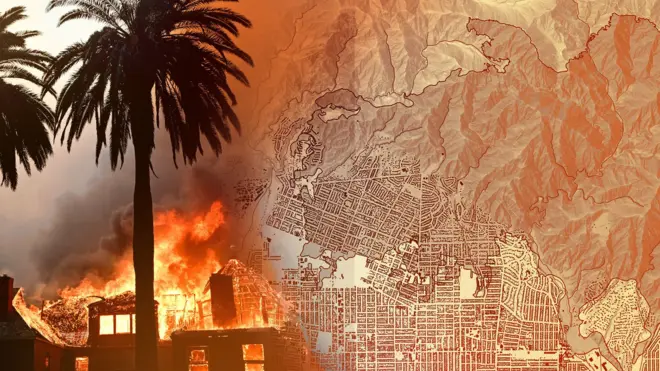
LOS ANGELES – While firefighters are making progress in containing the devastating wildfires that have swept across parts of Los Angeles, the reality of long-term recovery for affected residents is now setting in. The fires, which have claimed dozens of lives and destroyed thousands of homes, have left behind a trail of destruction and uncertainty.
Read more: Los Angeles Residents Grapple with Long Recovery as Firefighters Make Gains in Wildfire BattleEven as evacuation orders are lifted and residents begin to return to their neighborhoods, the emotional and physical scars of the disaster are likely to linger for months, if not years. Many are facing the daunting task of rebuilding their lives from the ground up, grappling with the loss of homes, possessions, and in some cases, loved ones.
“It’s not just about finding a place to stay,” said Maria Garcia, a resident of Pacific Palisades whose home was destroyed in the fire. “It’s about dealing with the trauma, the uncertainty, and the fear of the unknown. Where do we go from here? How do we rebuild our lives?”
The economic impact of the fires will also be significant. Many residents have lost their livelihoods, and the cost of rebuilding homes and replacing lost possessions will be immense.
Mental health experts warn that the psychological impact of the disaster could be profound. Many survivors may experience anxiety, depression, PTSD, and other mental health challenges in the aftermath of the fires.
“These events can have a significant impact on mental health,” said Dr. Edith, a local psychologist. “It’s crucial for survivors to have access to mental health support services, including counseling, therapy, and support groups.”
The road to recovery will be long and challenging, but officials are working to provide assistance to those affected. Local and state agencies are offering a range of resources, including financial aid, housing assistance, and mental health support services.
However, many residents feel that more needs to be done to address the long-term needs of the community. They are calling for increased funding for disaster relief, improved access to affordable housing, and stronger support for mental health services.
As the city begins the long process of recovery, one thing is certain: the scars of these fires will remain for years to come.
I hope this article provides a helpful starting point for your research.